Habits5 min read
The first hour belongs to you
Most of us hand over the best thinking of the day before we have made a single decision about it. Here is what changed when I stopped.

Mara Ellison
Writer and editor
For years my morning had a shape I never chose. I woke, reached for the phone, and by the time I sat down at the desk I had already answered four questions, absorbed three problems that were not mine, and spent the sharpest thinking of the day on other people's priorities.
The work I actually cared about got whatever was left over. Usually that was the tired part of the afternoon, the hour when every sentence needs rewriting twice.
The change was small
I did not overhaul my life. I moved one thing: the first hour of the day now belongs to the work I would regret not doing. Nothing else gets in. No inbox, no messages, no reading about what happened overnight.
The hour is not sacred because mornings are magic. It is sacred because it is the only hour I can reliably protect. Everything after ten o'clock belongs partly to other people, and that is fine. It should. But the first hour has no claims on it yet.
Protecting time is easier than creating it. You are not asking anyone for the hour. You are only declining to give it away.
What it looks like in practice
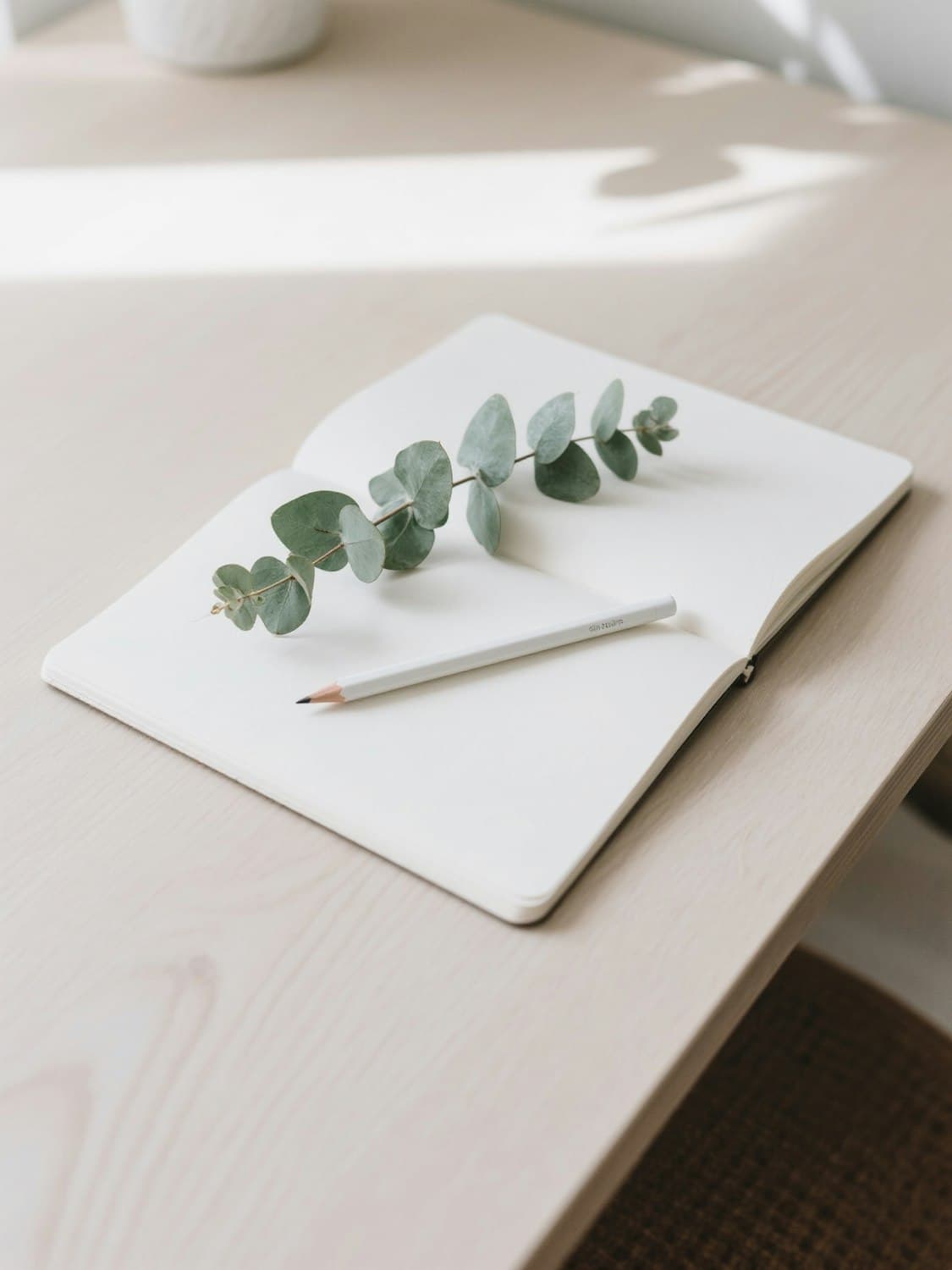
The night before, I write one line on a card and leave it on the keyboard. Not a task list, a single sentence describing what I will do first. Finish the second section of the piece about typography. Something specific enough that there is no deciding left to do while I am still half awake.
The phone charges in another room. The browser opens to nothing. If I am stuck, I write badly rather than switch tasks, because switching is how the hour dies.
What it does not fix
It does not make you more productive in the way productivity books promise. Some mornings the hour produces four sentences worth keeping. That is still four more than the afternoon would have given me.
What it does fix is the feeling of arriving at the end of a busy week having done nothing you would put your name to. Sixty minutes a day is five hours a week. Over a year that is a book, a portfolio, a business, depending on what you point it at.
Start tomorrow. One hour, one sentence written the night before, phone in another room.